
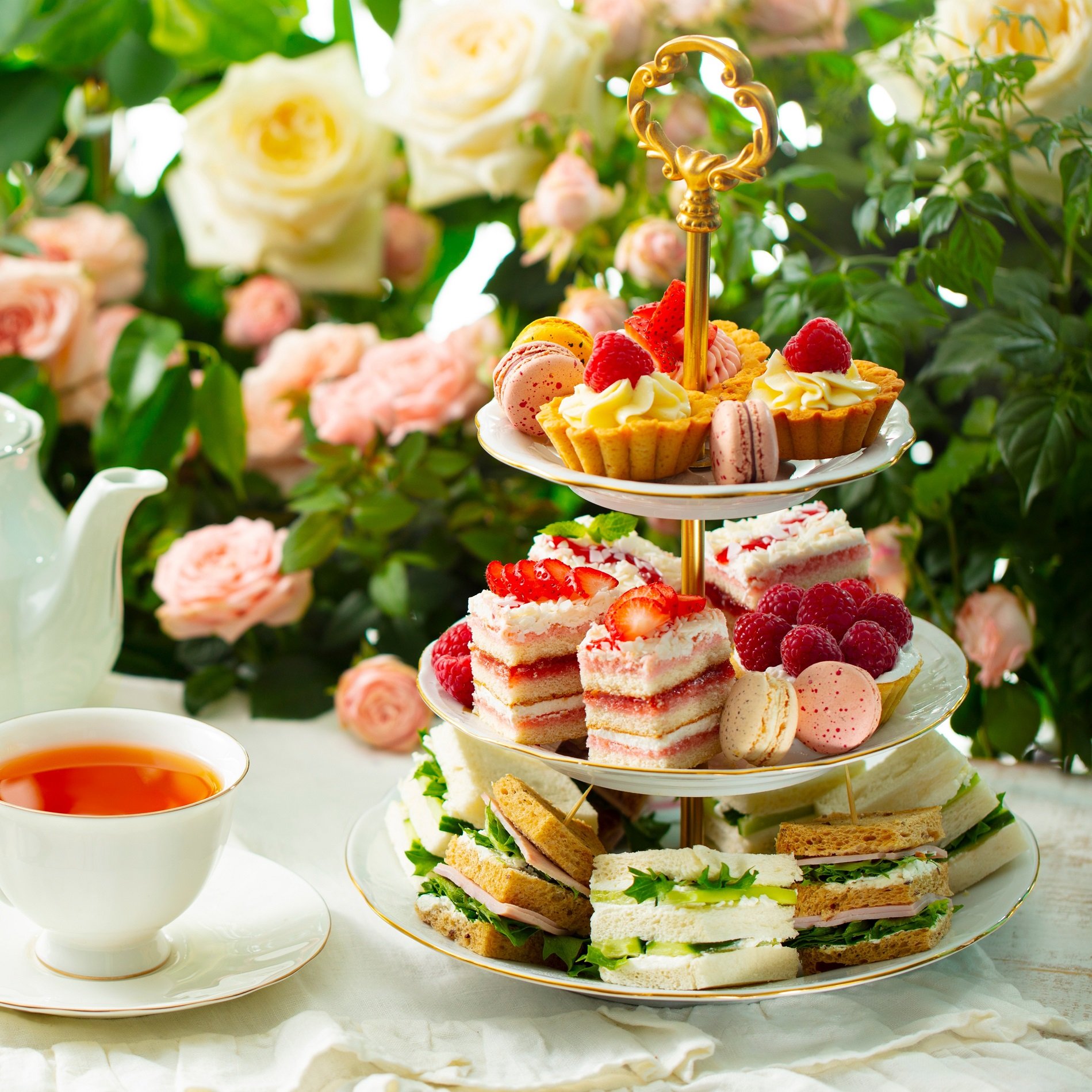
Welcome to the definitive guide for one of London’s most beloved traditions. This is your key to understanding why the elegant ritual of tea, sandwiches, and scones is so much more than a meal—it's a celebrated cultural event, a slice of history served on a three-tiered stand. We’ll explore everything from its aristocratic origins to the incredible variety of experiences you can find across the capital today.
Why Afternoon Tea is a Must-Do London Experience

Indulging in afternoon tea in London isn't just about having a cuppa and a snack; it's an immersive cultural experience steeped in history. Think of it as a pause button on the city's relentless pace, a chance to sink into a plush chair and enjoy a moment of refined elegance. It’s a tradition that perfectly marries delicious food, beautiful surroundings, and just a touch of ceremony.
For so many people, it’s the perfect centrepiece for a special occasion. Whether you’re celebrating a birthday, an anniversary, or simply treating yourself just because, the whole affair feels inherently special. The careful presentation, the attentive service, and the decadent treats all work together to create an atmosphere of pure indulgence that’s hard to find anywhere else.
A Ritual of Connection and Celebration
At its heart, afternoon tea is about connection. It's a rare opportunity to sit down with people you care about, away from phones and distractions, and just talk. The slow, deliberate pace of the service practically forces you to unwind and chat, making it an ideal activity for catching up with old friends or enjoying a quiet, romantic outing. That social side of it is a huge part of its lasting appeal.
Afternoon tea isn't just a meal; it's a performance. From the precisely cut sandwiches to the delicate pastries, every single element is designed to create a memorable and delightful experience that engages all the senses.
This guide is designed to be your trusted companion, walking you through every aspect of this wonderful ritual. We'll get into what to expect, from the contents of that classic three-tiered stand to the unspoken etiquette. You’ll also discover the sheer variety of styles on offer, ensuring you can find the perfect spot for any event.
What You Will Discover in This Guide
To help you plan the perfect day out, we’re covering all the essential details. This guide will give you the insider tips needed to navigate London's vibrant scene with confidence, whether you're a first-timer or a seasoned connoisseur.
Here’s a little glimpse of what’s to come:
- The Classic Components: We’ll demystify the traditional three-tiered stand, from the savoury sandwiches at the bottom to the sweet pastries at the top.
- Choosing Your Style: You’ll learn about all the different themes out there, from opulent five-star hotels to quirky, modern twists on the classic.
- Booking and Etiquette: We’ll cover practical advice on making reservations, understanding dress codes, and handling any dietary needs.
By the end, you'll be fully equipped to book an unforgettable experience. For a taste of what’s available, you might be interested in a unique London afternoon tea for two to get you started.
How a Grumbling Stomach Created a Great British Tradition
To really get to the heart of what makes afternoon tea in London so special, you have to go back to its rather surprising beginnings. This isn't some ancient ritual passed down through the centuries. Nope, it was born out of a very relatable problem for the 19th-century elite: a long, hungry wait for dinner.
Our story begins in the 1840s with a woman named Anna, the seventh Duchess of Bedford, who also happened to be one of Queen Victoria's ladies-in-waiting. Back then, the upper crust were pushing their evening meals later and later, often not sitting down to eat until 8 p.m. or beyond. This left a huge, rumbling gap between a light lunch and a formal dinner.
The Birth of a Ritual
It was during this long afternoon stretch that the Duchess started getting what she called a "sinking feeling." Just picture it: it’s 1840, the clock strikes 4 p.m. in her grand London residence, and she’s feeling that familiar pang of hunger. Her solution was simple. She started privately asking her staff to bring a tray to her rooms with tea, bread and butter, and a few little cakes. You can read more about this lightbulb moment in The History & Etiquette of Afternoon Tea in England.
What started as a sneaky snack soon blossomed. The Duchess began inviting friends to join her, and that quiet, personal tray turned into a proper social occasion. It wasn't long before other high-society hostesses caught on, and the trend for hosting afternoon tea gatherings exploded.
What began as one woman's simple fix for afternoon hunger quickly became the most fashionable social event of the era, complete with elegant dresses, fine china, and plenty of gossip.
This new ritual slotted perfectly into the social calendar, providing a relaxed and stylish way to catch up between the day's formal duties and the grand dinner parties of the evening.
From Private Indulgence to Public Pleasure
While it all kicked off in the drawing rooms of the aristocracy, the Industrial Revolution was brewing in the background, ready to take afternoon tea to the masses. As Britain’s middle class grew in wealth and number, so did their desire to emulate the sophisticated habits of the rich. This created a whole new market just waiting to be tapped.
Before long, elegant public tea rooms and the lounges of grand hotels started popping up, offering a taste of this luxurious experience to anyone who could afford it. For the first time, you didn't need an invitation to a stately home to take part. It became a respectable and hugely popular public outing, especially for women.
Of course, none of this would have happened without Britain’s deep and abiding love for tea itself. The nation's relationship with the humble leaf had been growing for centuries:
- A Rare Luxury: When tea first arrived in the 17th century, it was an eye-wateringly expensive import only the super-rich could enjoy.
- Growing Popularity: By the 18th century, prices had dropped, making it more widely available, though it was still a mark of being rather well-to-do.
- A National Obsession: By the time the Duchess of Bedford had her "sinking feeling," tea was already a beloved staple in British homes up and down the country.
This national obsession laid the perfect groundwork for the new ritual to thrive. So, when you’re biting into a warm scone or taking that first sip of Earl Grey, you're not just having a snack – you're taking part in a uniquely English story that began with one hungry Duchess.
Cracking the Code of the Classic Three-Tiered Stand
For anyone stepping into the wonderful world of afternoon tea in London, that gleaming three-tiered stand is a sight to behold. It’s exciting, maybe a little intimidating, but it’s far from just a random pile of treats. This tower of deliciousness is a story, and each level is a different chapter. The golden rule? You work your way from the bottom up.
Think of it as a culinary adventure. You kick things off with the savoury, ease into the simple satisfaction of a warm scone, and then finish with a spectacular flourish of all things sweet. It’s not just for show; it’s a carefully crafted journey of flavours and textures, designed to be enjoyed slowly.
This whole elegant ritual really cemented its place in high society by the late 1800s. By the 1880s, fashionable ladies would gather between 4 and 5 p.m. for cucumber sandwiches, warm scones, and tiny, perfect pastries. It was a light, refined affair that was a world away from the emerging 'high tea'—a much more substantial meal for workers who needed to refuel after a long shift. You can dive deeper into the evolution of this beloved meal.
So, what exactly can you expect to find on this edible architecture? Let’s break it down, tier by glorious tier.
The Anatomy of a Classic Afternoon Tea
This table gives you the lowdown on the traditional three-tiered stand and what you'll typically find on each level. It's your roadmap to a perfect afternoon tea experience.
| Tier | Typical Food Items | Description |
|---|---|---|
| Bottom Tier (Savoury) | Finger Sandwiches | The starting point. Dainty, crustless sandwiches with classic fillings like cucumber, smoked salmon, egg mayo, and Coronation chicken. |
| Middle Tier (Scones) | Plain & Fruit Scones | The heart of the affair. Warm, light scones served with clotted cream and strawberry jam. The great jam-or-cream-first debate starts here. |
| Top Tier (Pastries) | Miniature Cakes & Sweets | The grand finale. An artistic display of delicate pastries, tarts, macarons, and mousses, showcasing the pastry chef's skills. |
Now that you know the layout, let's explore each tier in a bit more detail.
The Foundation: The Savoury Tier
Your journey begins at the bottom with a selection of delicate finger sandwiches. These are the savoury cornerstone of your tea, designed to whet your appetite without being too filling. You’ll notice the crusts are always meticulously sliced off—a tradition born in aristocratic households as a sign of refinement, a quiet rejection of anything coarse.
The fillings are usually light and classic, letting high-quality ingredients do the talking. While every place has its own menu, you’ll almost always run into a few old friends:
- Classic Cucumber and Cream Cheese: The quintessential afternoon tea sandwich. Cool, crisp, and ridiculously refreshing.
- Smoked Salmon with Dill Cream Cheese: A little touch of luxury, pairing rich, smoky fish with a herby, tangy spread.
- Egg Mayonnaise with Cress: A simple classic for a reason. It’s creamy and light with a peppery little kick from the cress.
- Coronation Chicken: A sweet and gently spiced filling that adds a wonderful depth of flavour.
These little sandwiches are the perfect opening act, setting the stage for what’s to come.
The Heart: The Scones Tier
Next up, the middle tier. This is home to the undisputed heart of any proper afternoon tea: the scones. Forget the heavy, clunky scones you might grab from a bakery; these are smaller, lighter, and served delightfully warm, often tucked into a linen napkin to keep them cosy. You’ll usually get a mix of plain and fruit (raisin) varieties.
Of course, scones are nothing without their partners in crime.
The scone tier is where the great debate truly ignites. In Cornwall, it's jam first, then a dollop of cream on top. Head over to neighbouring Devon, and they’ll insist it’s cream first, then jam. Honestly? Just pick a side and enjoy.
Alongside the scones, you’ll find generous pots of thick, rich clotted cream and sweet strawberry jam. There’s no right or wrong way to build your scone; it’s all down to personal (and fiercely regional) preference. The magic is in that contrast between the warm, fluffy scone, the cool, dense cream, and the fruity sweetness of the jam.
The Grand Finale: The Pastry Tier
At last, you’ve reached the summit: the top tier. This is the grand finale, the moment the pastry chef really gets to show off. The top plate is a dazzling line-up of miniature cakes, exquisite pastries, and other delicate sweets, each one a tiny work of art.
The selection changes everywhere you go, but it’s always designed to be a showstopper. You might find things like:
- Intricate little fruit tarts
- Delicate, colourful macarons
- Rich chocolate éclairs
- Feather-light mousse cakes
- Classic Battenberg or Victoria sponge slices
This final course is the sweet, satisfying end to your culinary story, leaving you with a lasting impression of pure, unadulterated indulgence.
How to Choose Your Perfect London Experience
London's afternoon tea scene is a world of its own, with a perfect spot waiting for every mood, budget, and occasion. Choosing the right one can feel a bit daunting, but think of it less as a challenge and more as an exciting hunt for an experience that fits you like a glove. The real key is to ask yourself: what kind of memory do I want to create?
Are you celebrating a landmark anniversary and looking for sheer, unadulterated opulence? Or are you after a playful, themed adventure to delight the whole family? London pulses as the undisputed heart of Britain's afternoon tea scene, where over 50 top spots serve up this ritual in 5-star splendour, drawing in food lovers and couples alike. It’s now a multi-million-pound industry, with venues getting creative—think contemporary twists like gin-infused scones—while still honouring the classics.
This vibrant landscape means there's a perfect match for everyone, from the staunch traditionalist to the curious trendsetter. Let's break down how to find yours.
For the Milestone Celebrations
When you're marking a special occasion—a big birthday, an engagement, or an anniversary—you want an experience that feels truly grand. This is where London’s five-star hotels and fine dining restaurants really come into their own, offering an atmosphere of timeless elegance and impeccable service that elevates the whole moment.
Think classic, opulent settings with live piano music, plush furnishings, and staff who anticipate your every need. These venues pride themselves on tradition, serving classic menus executed to absolute perfection. The focus here is purely on luxury and refinement, making it the ideal choice for creating a memory that will last a lifetime.
For a Playful and Unique Twist
If you're looking for something a bit different, London's themed afternoon teas are a brilliant escape from the ordinary. These experiences are incredibly creative, often inspired by everything from beloved children's books and blockbuster films to high fashion and art exhibitions. They’re a fun, whimsical take on the classic format.
These teas are perfect for a fun day out with friends or a unique treat for someone who loves a bit of novelty. The food is often just as imaginative as the theme itself, with pastries and savouries cleverly designed to look like characters or iconic objects. It’s a chance to enjoy a fantastic meal that also tells a story.
Even the most creative themes tend to follow the classic structure, which this infographic breaks down beautifully.

It’s a visual guide to that traditional culinary journey: starting with sandwiches, moving on to scones, and finishing with those exquisite pastries.
For Family-Friendly Fun
Taking children for afternoon tea can be a truly magical experience, but only if you choose the right place. Many London venues have expertly crafted menus and themes designed specifically for younger guests, ensuring they feel just as special as the adults.
Look for places that offer:
- Kid-Friendly Menus: Simpler sandwich fillings, fun-shaped treats, and hot chocolate or milkshakes instead of tea.
- Engaging Themes: Experiences based on popular stories or characters that will capture their imagination.
- A Relaxed Atmosphere: Venues that are genuinely welcoming to families and understand that a little bit of noise is all part of the fun.
A family-focused tea is a wonderful way to introduce children to this lovely tradition in a way that’s exciting and accessible for them. It’s a special treat that creates brilliant family memories.
Choosing the right afternoon tea is all about matching the venue’s atmosphere to your own personal occasion. The best experience is one where the setting, the food, and the company all come together in perfect harmony.
For an Affordable Yet Special Treat
You don't need to spend a fortune to enjoy a wonderful afternoon tea in London. Plenty of charming cafés, department store restaurants, and independent tea rooms offer fantastic value without compromising on quality. These spots provide a more relaxed and informal setting while still delivering a delicious and memorable experience.
These more budget-conscious options are perfect for a casual catch-up with a friend or a spontaneous treat. They prove that the simple pleasure of tea, scones, and good company is an accessible luxury for everyone. You can explore a wide variety of delightful afternoon teas for all tastes and budgets to find the perfect gift or day out.
Essential Tips for Planning and Booking
So, you’ve got a picture in your mind of the perfect London afternoon tea. Now for the practical bit. A little forward planning is the secret ingredient that turns a good day out into a truly flawless one. From figuring out costs to knowing what to wear, these tips will make the whole process smooth and stress-free.
Booking an afternoon tea isn’t just about reserving a table; it’s about securing a spot for a sought-after experience, especially in a city like London. The best places often have long waiting lists, so thinking ahead is your greatest advantage. This is especially true if you’re planning for a weekend or during peak tourist seasons when demand skyrockets.
Securing Your Spot in Advance
Right, listen up, because this is the single most important tip for your afternoon tea in London: book well in advance. Many of the city's most famous and beloved venues are booked up weeks, sometimes even months, ahead of time. Spontaneity is a wonderful thing, but it rarely works for this particular treat.
Booking early doesn’t just guarantee you a table; it gives you the pick of the best dates and times. It also gives the venue plenty of notice to prepare for any special requests you might have, which is an absolute must when it comes to dietary needs.
Think of your booking as the first step in the experience itself. A quick online reservation is all it takes to lock in a wonderful memory, getting rid of any last-minute panic and letting you simply look forward to the day.
Understanding the Cost of Afternoon Tea
The price of afternoon tea in London can vary wildly, so it’s a good idea to have a budget in mind before you start looking. The cost is usually a reflection of the venue's reputation, its postcode, and just how fancy the menu is.
- Affordable Charm (£30 - £50 per person): In this bracket, you’ll find some absolutely delightful experiences in cosy cafés, independent tea rooms, and even some department stores. They offer a classic, delicious tea without the five-star price tag.
- Mid-Range Elegance (£50 - £70 per person): This is where you’ll find high-end restaurants and seriously stylish hotels. Expect a more refined setting, creative menus, and impeccable service.
- Ultimate Luxury (£70+ per person): At the top end, you're paying for an unforgettable experience at one of London's world-famous, iconic luxury hotels. This price often includes extras like a glass of champagne, live music, and truly opulent surroundings.
Knowing these price bands helps you narrow down your search and find an option that feels special without making your wallet weep.
Navigating Dress Codes with Confidence
The age-old question of what to wear can cause a bit of a flap, but it’s usually pretty straightforward. The dress code almost always comes down to the venue. While very few places still insist on a jacket and tie, most ask for 'smart casual'.
But what does that actually mean? Simply put, it means looking polished and put-together. For most venues, this just means no sportswear, trainers, shorts, or ripped jeans. A smart shirt and trousers or chinos for men, and a dress, skirt, or smart trousers for women will be perfectly fine for almost any setting. If you’re ever in doubt, a quick peek at the venue’s website will tell you everything you need to know.
Communicating Dietary Requirements
Pretty much every reputable London venue is well-equipped to handle a whole range of dietary needs, from vegetarian and vegan to gluten-free and other allergies. The key to a seamless experience is just clear communication.
Always, always inform the venue of any dietary requirements when you book. Don't wait until you arrive on the day, as the kitchen needs time to prepare your bespoke menu. Giving at least 48 hours' notice is the standard courtesy, and it allows the chefs to create a spread of sandwiches, scones, and pastries that are just as delicious as the main offering. It’s a simple step that ensures everyone in your party can just relax and enjoy themselves.
Creating the Afternoon Tea Magic at Home

Feeling inspired by the sheer elegance of a classic afternoon tea in London? The brilliant news is you don’t need a train ticket to the capital to capture its spirit. In fact, recreating this delightful ritual at home is a fantastic way to turn any old afternoon into a proper occasion.
The goal isn't to perfectly mimic a five-star hotel, but to borrow the essence of the tradition. It’s all about slowing down, arranging some delicious treats with a bit of care, and sharing them with people you actually like. With a few simple ideas, you can bring that special magic right into your own dining room.
Building Your Homemade Tiers
The heart of your at-home afternoon tea is, of course, the food. Don’t panic if you don't own a three-tiered stand; a nice collection of plates and a cake stand will do the job just as beautifully.
Let’s start with the basics:
- The Sandwiches: Stick to the classics for that authentic feel. Simple fillings like cucumber and cream cheese, egg mayonnaise, or smoked salmon are dead easy to prepare and always a winner. And remember the golden rule: slice the crusts off for that dainty, traditional look.
- The Scones: These are non-negotiable. Seriously. Making scones from scratch is incredibly rewarding, and there's nothing quite like the smell. Focus on a recipe that promises a light, fluffy texture, and serve them warm with generous helpings of clotted cream and strawberry jam.
- The Sweets: For the top tier, keep it simple but elegant. You could whip up some delightful Mini Coconut Macaroons for the perfect bite-sized treat, or any other small pastries that take your fancy.
Don't Forget the Tea
Finally, the star of the show. Choose a good quality loose-leaf tea – an Earl Grey, English Breakfast, or a delicate Darjeeling works wonders. Brew it properly in a teapot and serve it in china cups if you have them. It’s that final touch that makes all the difference.
The most important ingredient for an at-home afternoon tea is simply the intention. It's the act of setting aside time to create something special for yourself and your guests that truly captures the spirit of this cherished tradition.
If you’re keen to perfect your scone-making or master the art of delicate pastries, you could always book a baking masterclass to take your home creations to the next level.
A Few Final Pointers for Your Afternoon Tea
To make sure you feel completely ready for your big day out, let's clear up some of the most common questions people have about afternoon tea in London. Getting these little details sorted beforehand means you can walk in with confidence, ready to simply relax and enjoy every delicious moment.
Think of this as the final polish, the last few answers that let you focus on the fantastic food and wonderful company instead of worrying about the small stuff.
What’s the Difference Between Afternoon Tea and High Tea?
This is easily the most common point of confusion, and the answer is all about social class and what time of day it is.
Afternoon tea is the elegant, leisurely affair you’re picturing. It was an aristocratic social occasion, traditionally served around 4 p.m. on low, comfortable tables in a drawing-room. It’s a light meal of sandwiches, scones, and delicate cakes designed to bridge the gap until a late dinner. The luxurious experiences you find in London's top hotels today are classic afternoon tea.
High tea, on the other hand, was the hearty evening meal for the working classes, served around 6 p.m. at a 'high' dining table. It was a substantial, filling meal that might include pies, meats, or cheese on toast. So, despite the name, 'high tea' isn't the fancier option!
Is There a Dress Code for Afternoon Tea in London?
This completely depends on where you're going. Most luxury hotels and upscale restaurants have a ‘smart casual’ policy. This is your cue to leave the sportswear, trainers, shorts, and ripped jeans at home. Think of it as dressing for a nice lunch with friends.
When in doubt, it's always better to be a little overdressed than underdressed. A smart shirt and trousers or a lovely dress will fit in perfectly almost anywhere. You'll feel much more comfortable and confident when you're not second-guessing your outfit in an elegant setting.
More relaxed cafés and independent tea rooms might not have strict rules, but a quick check of the venue’s website is always a smart move. It removes any guesswork and lets you get on with the important business of enjoying yourself.
How Long Does an Afternoon Tea Experience Last?
You should plan for your afternoon tea to last around 90 minutes to two hours. It’s designed to be a leisurely pause in your day, not a rushed meal. This gives you plenty of time to savour each of the three tiers, enjoy your tea, and soak up the atmosphere without feeling like you're on the clock.
Some places, especially on busy weekends, might have specific time slots for reservations. It’s always a good idea to confirm the duration when you book, so you can plan the rest of your day around this delightful centrepiece.
Can Venues Accommodate Dietary Restrictions?
Yes, absolutely. Nearly all reputable London venues are brilliant at catering for a wide range of dietary needs, including vegetarian, vegan, gluten-free, and other common allergies. The one golden rule is to give them a heads-up.
It's vital that you tell the venue about any special requirements when you book, ideally with at least 48 hours' notice. This gives the chefs enough time to prepare a delicious and thoughtful alternative menu just for you. With a little advance warning, they can ensure your experience is just as wonderful as everyone else's.
Ready to find your perfect afternoon tea experience? At Activity Superstore, we offer a fantastic selection of delightful afternoon teas across London and the UK, perfect for any occasion or budget. Discover your next unforgettable memory today at https://www.activitysuperstore.com.